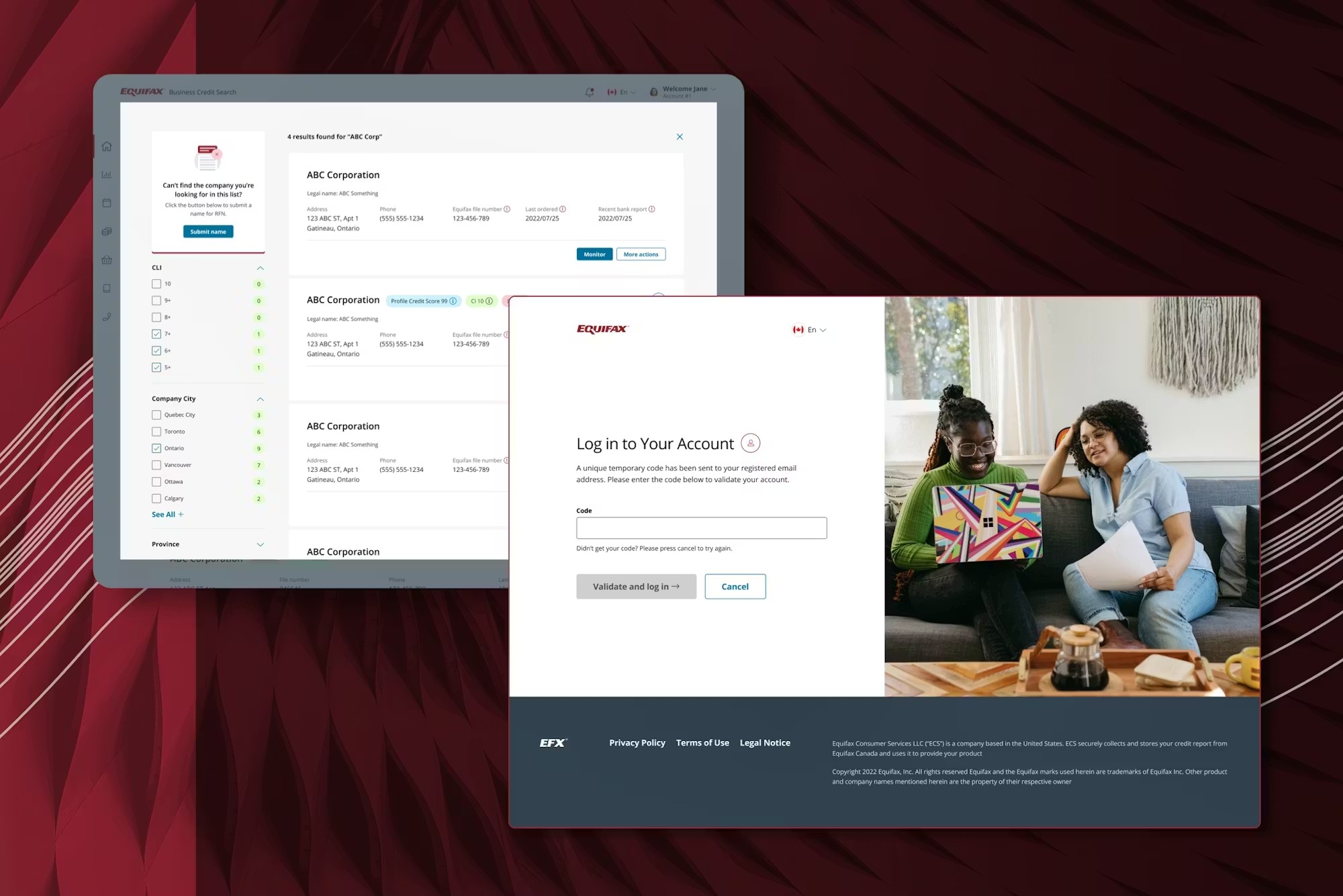
Building a design foundation for public sector scale.

At

Supply Ontario

Industry

Public Sector, Government, Design Systems

Why it mattered

Supply Ontario was scaling digital services without a shared foundation.

As Supply Ontario expanded its digital footprint, new products and services were being delivered without a unifying design foundation. Each initiative introduced its own patterns, styles, and decisions, creating inconsistency across experiences and increasing the cost of change. Without a shared system, teams relied heavily on one-off solutions that were difficult to maintain or extend. This lack of foundation also made collaboration with external vendors more complex. Design decisions were repeatedly revisited, accessibility requirements were handled inconsistently, and every new product started from scratch.

Long-term sustainability required more than individual product success.

Beyond shipping features, Supply Ontario needed a way to ensure future work would be coherent, accessible, and scalable. The opportunity was to establish a shared design language and set of foundations that could support multiple teams, products, and vendors over time, while aligning with public-sector standards and constraints.

Foundations were shaped to outlast individual products and teams.

What I shaped

A shared design system to support consistency and scale.

A design foundation was established to unify visual language, interaction patterns, and accessibility standards across Supply Ontario’s digital ecosystem. This included defining core components, patterns, and usage guidance that teams and vendors could rely on when designing new services. The goal was not rigidity, but alignment, creating a common starting point that reduced rework and improved coherence. The system enabled teams to focus on solving user problems rather than re-solving design decisions that had already been addressed.

Operational guidance that supported adoption across vendors and teams.

Beyond components, supporting documentation and guidance were shaped to help external partners and internal teams apply the system consistently. This included clear direction on accessibility expectations, usage principles, and decision-making boundaries. By framing the system as a shared resource rather than a prescriptive rulebook, adoption became easier and more durable across different delivery contexts.

The impact

A durable foundation that raised the baseline for all digital work.

The design system became the reference point for new digital initiatives, reducing fragmentation and supporting more consistent experiences across products. Teams gained a shared language for design decisions, vendors were able to align more quickly, and accessibility considerations were embedded earlier in the process. The foundation helped ensure future work started from a place of alignment rather than reinvention.

Consistent experience patterns.

Established shared components and interaction models across multiple products.

Faster partner alignment.

Reduced onboarding time for vendors through clear design standards and guidance.

Sustainable systems succeed when they serve people, not just products.